




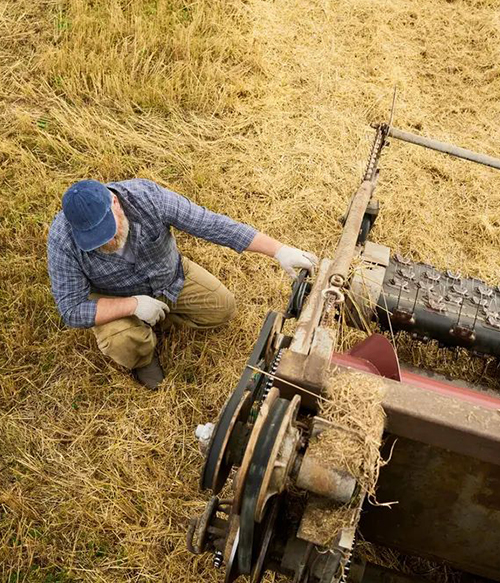
What’s worse—a broken-down tractor in peak harvest season or the repair bill that follows? Both can throw a wrench in operations, leading to lost time and profit. Yet, many costly breakdowns stem from avoidable issues—overlooked maintenance, improper repairs, or using the wrong parts.
This guide breaks down practical, cost-saving strategies to keep your equipment running smoothly, reduce downtime, and extend its lifespan.
- Preventative Maintenance: How small fixes today prevent major breakdowns tomorrow.
- Common Repairs & Troubleshooting: Quick solutions to keep machines in top shape.
- When to Repair vs. Replace: Smart decision-making to avoid overspending.
P.S., Hawa Agri provides genuine spare parts, expert troubleshooting, and ongoing maintenance support to keep your farm running at full capacity. No guesswork, just reliable solutions that work.
The Full Agricultural Machinery Repair Guide
Farm equipment takes a beating—long hours, rough terrain, and constant exposure to the elements. The real question isn’t if it will break down, but when. Knowing what to expect can save you from unexpected downtime and costly repairs.
Here’s a breakdown of common farm machinery and the issues they face so you can stay ahead of the game.
Tractors: The Workhorse of the Farm
Tractors handle plowing, hauling, and countless other tasks, but they’re also prone to:
- Engine wear: Overheating, oil leaks, or fuel system failures.
- Tire issues: Uneven wear, punctures, and incorrect inflation.
- Hydraulic problems: Weak or slow-moving attachments due to fluid leaks or contaminated hydraulic oil.
Harvesters: Efficiency at Risk
When a harvester goes down, productivity takes a hit. Watch for:
- Blade dullness: Reduces efficiency and increases fuel consumption.
- Belt failures: Worn or misaligned belts can cause sudden stoppages.
- Clogging: Crop buildup in intake areas slows operations.
Sprayers: Precision or Problems?
Crop protection depends on accurate spraying. Even minor issues can lead to overuse or underuse of chemicals.
- Leaks: Worn-out seals or cracked hoses waste chemicals and money.
- Nozzle blockages: Dirt and debris affect spray patterns.
- Calibration issues: Inconsistent application leads to poor results.
Pro Tip: Use Hawa Agri’s high-quality replacement nozzles to maintain precision and reduce waste.
Balers & Forage Equipment: Keeping Hay in Line
Baling and forage machines rely on precise mechanical timing. When things go wrong, expect:
- Knotter problems: Twine won’t tie properly, leading to loose or wasted bales.
- Chain wear: Overuse causes stretching, misalignment, and breakdowns.
- Improper bale formation: Moisture levels or misadjusted pickup reels can cause irregular bale shapes.
Irrigation Systems: Water Flow Matters
Water is the lifeblood for crops, but a faulty irrigation system can ruin an entire season. Common failures include:
- Pump failures: Overheating and clogged intake screens.
- Clogged filters: Sediment and debris restrict water flow.
- Leaks: Broken pipes or worn-out seals cause wasted water and higher costs.
Pro Tip: Switch to Hawa Agri’s premium irrigation filters for better water flow and fewer clogs.
Specialty Equipment: Planters, Spreaders, & Seed Drills
Precision tools keep farming operations efficient, but they’re vulnerable to wear and tear:
- Planters: Depth inconsistencies lead to uneven germination.
- Spreaders: Calibration errors waste fertilizer and money.
- Seed drills: Blocked tubes or worn disc openers cause planting gaps.
Pro Tip: Adjust settings before every planting season and test accuracy in a small field first.
Preventive Maintenance Strategies for Long-Lasting Farm Equipment
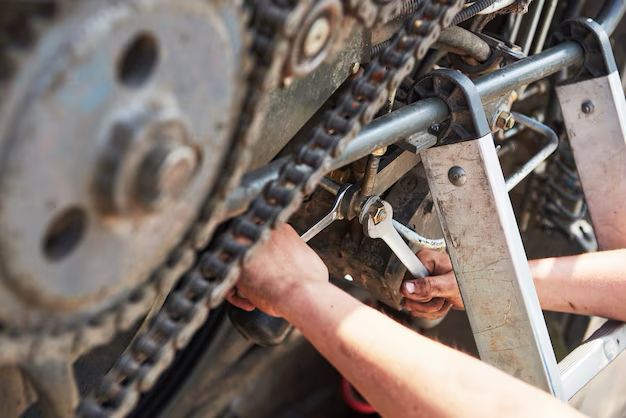
You wouldn’t drive a truck 10,000 miles without an oil change, so why treat farm machinery any differently? A solid maintenance plan extends equipment life, lowers repair costs, and improves efficiency.
Why Maintenance Schedules Matter
Daily, weekly, and seasonal maintenance routines prevent major failures. A simple 15-minute inspection can catch small issues before they spiral.
- Daily: Check fluid levels, tire pressure, and for leaks.
- Weekly: Grease moving parts, clean filters, and test electrical systems.
- Seasonal: Deep clean machinery, inspect hydraulic lines, and replace worn components.
Maintenance Best Practices
- Oil & Fluid Changes: Skipping oil changes? That’s a recipe for engine failure. Stick to recommended intervals for:
- Engine oil (every 100–250 hours, depending on usage).
- Hydraulic fluid (check levels weekly, change annually).
- Coolant (flush every two years to prevent overheating).
- Hawa Agri offers premium-grade engine oils that enhance performance and reduce wear over time.
- Oil & Fluid Changes: Skipping oil changes? That’s a recipe for engine failure. Stick to recommended intervals for:
- Lubrication: The Key to a Smooth Operation: Without proper lubrication, friction eats away at moving parts. Grease fittings and bearings every 50 hours to prevent:
- Premature wear
- Overheating
- Increased fuel consumption
- Hitches & Tires: Safe & Efficient Performance: A poorly maintained hitch is a disaster waiting to happen. Before each use, check for:
- Loose bolts or worn-out pins.
- Uneven tire wear or low pressure.
- Cracks in rubber or metal fatigue.
- Battery & Electrical System Checks: Nothing halts operations faster than a dead battery or faulty wiring. Stay ahead with:
- Monthly voltage checks.
- Corrosion removal from terminals.
- Inspections for loose or frayed wires.
- Hawa Agri carries heavy-duty batteries built to last longer under extreme conditions.
- Calibration of Precision Equipment: If your planter, spreader, or harvester isn’t properly calibrated, you’re wasting money.
- Test settings before fieldwork.
- Use manufacturer-recommended calibration methods.
- Check sensors and software updates regularly.
DIY Repairs vs. Professional Servicing: What You Can Fix & When to Call an Expert
Some farm equipment fixes are simple enough to handle on your own—others require specialized tools and expertise. Knowing the difference can save time and money while preventing bigger issues down the line.
Basic DIY Fixes You Can Handle
With the right tools and a bit of know-how, you can take care of minor repairs that keep machines running smoothly.
Changing Belts:
- Shut off the engine and disconnect the battery.
- Loosen the belt tensioner and remove the worn-out belt.
- Install the new belt, ensuring proper alignment.
- Re-tension and test for smooth operation.
Replacing Filters:
- Drain any residual fuel or oil.
- Remove and discard the old air, oil, or fuel filter.
- Lubricate the new filter’s gasket before installing.
- Tighten by hand to prevent damage.
Fixing Small Leaks:
- Identify the source—check hoses, seals, and fittings.
- Use sealants, clamps, or replacement parts as needed.
- Test under low pressure first before full operation.
When to Seek Professional Help
Some repairs demand expertise—ignoring warning signs can lead to costly breakdowns.
Call a professional if you notice:
- Major hydraulic leaks (can lead to system failure).
- Strange engine noises (could indicate internal damage).
- Electrical system malfunctions (risk of fire or power loss).
Hawa Agri’s expert repair services ensure that complex issues are handled correctly and safely, reducing downtime and extending machine life.
Seasonal Maintenance Checklist for Year-Round Equipment Performance
Each season brings new challenges for farm machinery. A seasonal approach keeps equipment in top shape and reduces unexpected failures.
SPRING | SUMMER | FALL | WINTER |
- Inspect and calibrate planters and seed drills. - Change oil, air, and fuel filters. - Check tire pressure and hydraulic systems. | - Keep cooling systems clean to prevent overheating. - Monitor fuel levels and use stabilizers to improve efficiency. - Inspect electrical connections for corrosion. | - Deep clean harvesters and balers to remove debris buildup. - Sharpen blades and replace worn belts. - Drain unused irrigation systems to prevent freezing. | - Disconnect batteries and store them in a dry place. - Apply rust inhibitors to exposed metal surfaces. - Store equipment indoors or under protective covers. |
Common Agricultural Machinery Breakdowns & Troubleshooting Guide
Knowing how to spot problems early can mean the difference between a quick fix and expensive downtime.
Engine Issues
- Symptoms: Hard starts, loss of power, excessive smoke.
- Causes: Dirty fuel injectors, worn-out spark plugs, clogged filters.
- Fix: Replace filters, clean injectors, and check ignition timing.
Transmission Failures
- Symptoms: Slipping gears, difficulty shifting, overheating.
- Causes: Low fluid levels, worn-out clutches, and hydraulic pressure issues.
- Fix: Check transmission fluid, adjust clutch, and inspect hydraulic lines.
Electrical Failures
- Symptoms: Starter won’t engage, dim lights, erratic gauges.
- Causes: Corroded terminals, loose wires, weak battery.
- Fix: Clean connections, test battery voltage, and replace worn wiring.
Hydraulic System Leaks
- Symptoms: Loss of power, slow-moving attachments, oil puddles.
- Causes: Worn seals, cracked hoses, loose fittings.
- Fix: Replace seals, tighten connections, and flush the system.
Clutch & Brake Malfunctions
- Symptoms: Grinding noises, slipping clutch, poor stopping power.
- Causes: Worn brake pads, low fluid levels, misaligned clutch.
- Fix: Adjust linkage, replace pads, and bleed hydraulic lines.
Keep Your Farm Running Smoothly with Hawa Agri
Keeping farm equipment in top shape isn’t just about fixing what breaks—it’s about preventing problems before they start. By following smart maintenance strategies, knowing when to DIY, and investing in the right repairs, you’ll cut costs, reduce downtime, and keep operations running without a hitch.
Here’s a quick recap:
- Routine maintenance saves money and prevents major breakdowns.
- Some fixes are DIY-friendly, but complex repairs need expert hands.
- Seasonal upkeep protects machinery from wear, rust, and inefficiency.
- Smart storage and digital tracking extend equipment life and optimize costs.
P.S., Hawa Agri is here to keep your farm moving—whether it’s genuine spare parts, expert servicing, or high-performance maintenance products, we provide reliable solutions that help you get more from your equipment.
FAQs: Agricultural Machinery Repair & Maintenance
How often should I service my tractor?
Every 100–250 hours of operation or once per season, whichever comes first.
What’s the best way to troubleshoot a malfunctioning harvester?
Check blade sharpness, belt tension, and engine performance before running a diagnostic.
How can I reduce fuel costs through better maintenance?
Regularly clean fuel filters, calibrate equipment, and use quality lubricants.
When should I replace farm equipment instead of repairing it?
When repair costs exceed 50% of the machine’s value, replacement is the smarter choice.
What are the best apps/software for farm maintenance tracking?
Look into CMMS platforms and IoT sensor integrations for real-time diagnostics.