



Hire an Agricultural Engineer
This is Why You HAVE to Hire an Agricultural Engineer Today
Think you can handle it all—crop planning, irrigation, soil management—without expert input? Maybe. But at what cost? Wasted resources, inefficient systems, and lost yields add up fast. Agricultural engineers bridge the gap between traditional farming and modern efficiency, helping you get more out of every drop of water, every inch of soil, and every piece of equipment.
With Hawa Agri, we simplify this process even more. With expert consulting, precision irrigation systems, and top-tier agricultural equipment, you can focus on what matters: growth.
What is an Agricultural Engineer?
An agricultural engineer applies science and technology to improve farming efficiency, sustainability, and productivity. They design irrigation systems, optimize soil use, develop machinery, and implement eco-friendly solutions.
The expertise of an agricultural engineer helps farms reduce costs, increase yields, and adapt to changing climates, but their role extends far beyond just equipment and water management.
Why You Need an Agricultural Engineer
1. Maximize Land & Water Efficiency
Water shortages and soil degradation are two of the biggest threats to modern agriculture. The FAO estimates that by 2050, global water demand for farming will increase by ~70%, yet over 60% of irrigation water is lost due to inefficient systems and poor management. Without expert input, you could be wasting thousands of dollars a year on water that never reaches your crops.
Agricultural engineers tackle this problem with:
- Precision irrigation systems – Drip irrigation, smart sprinklers, and moisture sensors that adjust water levels based on real-time soil conditions.
- Drainage planning – Prevents waterlogging, soil erosion, and nutrient loss.
- Soil testing & amendments – Identifies nutrient deficiencies and optimizes fertilizer use, improving crop quality while cutting excess costs.
Pro Tip: Using smart irrigation controllers (like IoT-enabled systems) can automate water distribution based on weather forecasts, preventing overwatering and runoff.
Hawa Agri provides irrigation design, soil testing, and engineering services—so you can grow smarter, not harder.
2. Choose the Right Equipment (and Keep It Running)
Farm equipment isn’t just expensive—it’s a long-term investment that determines efficiency and productivity. The wrong machine can drain fuel, break down often, or be completely unsuitable for your soil type and crop selection.
An agricultural engineer helps eliminate costly mistakes by:
- Matching machines to farm size & needs – Whether you need a precision seeder, a GPS-guided tractor, or an automated irrigation system, an expert ensures you get the best return on investment.
- Optimizing efficiency – Upgrades, calibration, and modifications to get more output with less fuel and labor.
- Creating a maintenance plan – Routine checks and preventive repairs that extend machine lifespan and reduce downtime.
Pro Tip: Investing in sensor-based machinery helps detect early signs of mechanical failure, preventing costly breakdowns.
Hawa Agri offers 8,000+ agricultural products, including high-efficiency machinery, irrigation tools, and genuine spare parts—plus expert maintenance and repair services to keep your operation running smoothly.
3. Future-Proof Your Farm with Sustainable Solutions
Farming is getting harder and riskier. Rising temperatures, extreme weather, and soil degradation make it critical to adopt sustainable practices. Agricultural engineers design long-term solutions that keep operations productive without harming the land.
They specialize in:
- Precision farming – Uses GPS, AI, and automation to reduce input costs and increase efficiency.
- Eco-friendly fertilizers & pest control – Balances high yields with sustainable soil health.
- Renewable energy solutions – Solar-powered irrigation, biogas, and other alternatives to cut fuel costs and emissions.
Pro Tip: Using soil moisture sensors prevents the overuse of fertilizers and reduces runoff pollution.
Hawa Agri provides sustainable agriculture solutions, including smart irrigation systems, eco-friendly fertilizers, and soil health services to protect both your farm and the environment.
4. Improve Profitability with Smart Planning
A successful farm isn’t just about what you grow—it’s about how efficiently you grow it. Many farms lose thousands of dollars each year due to poor layouts, inefficient processes, and rising input costs.
Agricultural engineers identify and fix weak spots by:
- Optimizing farm layouts – Smart positioning of crops, equipment, and irrigation systems for maximum efficiency.
- Reducing fuel & energy costs – Strategic upgrades that cut energy consumption without affecting productivity.
- Implementing automation – Remote monitoring, self-driving tractors, and AI-driven irrigation systems that save time and labor.
Pro Tip: Investing in precision farming software for real-time soil monitoring can help track resource use, automate field mapping, and reduce input waste.
Hawa Agri's consulting services help businesses improve efficiency, maximize profits, and implement precision farming solutions for stronger returns.
5. Support Large-Scale Agricultural & Environmental Projects
For municipalities, NGOs, and large agribusinesses, managing massive agricultural projects comes with unique challenges—from environmental compliance to resource allocation. Agricultural engineers provide:
- Land assessments – Ensuring projects are built on suitable soil with proper drainage.
- Irrigation & water management – Large-scale water-saving solutions for urban farms, reforestation efforts, and sustainable landscapes.
- Eco-conscious design & execution – Implementing low-impact agricultural practices for long-term environmental and economic benefits.
When Should You Hire an Agricultural Engineer?
If you're struggling with inefficiencies, rising costs, or sustainability challenges, an agricultural engineer can help you optimize resources, improve yields, and protect your land for the long haul. Here are key situations when bringing in an expert isn't just helpful—it’s necessary:
1. Your Irrigation System Isn’t Working Efficiently
High water bills? Uneven crop growth? Water pooling in some areas but leaving others dry? These are signs of poor irrigation management, and they can lead to lower yields, soil degradation, and wasted money.
An agricultural engineer can:
- Analyze your land’s topography and soil composition to design a precision irrigation system that delivers just the right amount of water.
- Implement smart irrigation solutions, such as drip irrigation, moisture sensors, and automated scheduling, to cut water waste.
- Prevent water runoff and soil erosion, which can lead to long-term land damage.
Pro Tip: Using IoT-powered irrigation controllers can adjust water levels in real time, responding to weather conditions and soil moisture data.
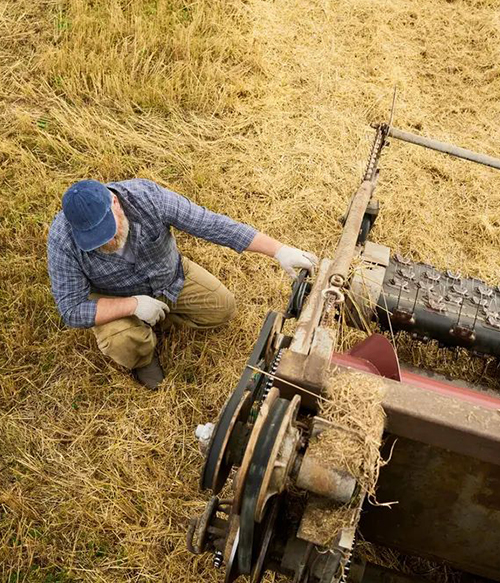
2. Your Equipment Keeps Breaking Down or Isn’t Performing Well
Frequent breakdowns, costly repairs, and outdated machinery can slow down your operations and eat into your profits. But buying new equipment isn’t always the answer—sometimes, a better strategy is optimizing what you already have.
An agricultural engineer helps with:
- Equipment selection – Choosing machinery that fits your farm’s needs, soil type, and labor availability.
- Efficiency optimization – Upgrading and calibrating existing equipment to reduce fuel consumption and improve performance.
- Preventive maintenance plans – Keeping equipment in top shape to reduce downtime.
Pro Tip: Using predictive maintenance tools like machine learning-based sensors can help detect early signs of mechanical failure before costly breakdowns happen.
3. You Want to Increase Yields Without Increasing Costs
More fertilizer and pesticides aren’t always the answer to better crop production. In fact, overuse of chemicals can degrade soil health and lead to unnecessary expenses.
An agricultural engineer can:
- Optimize soil management – Conduct soil tests to determine exact nutrient needs, reducing excess fertilizer use.
- Improve farm layout – Strategically space crops and design pathways for better airflow, pest control, and harvesting efficiency.
- Recommend precision farming techniques – GPS mapping, variable rate fertilization, and drone-assisted monitoring to target inputs exactly where they’re needed.
Pro Tip: Using drones for crop monitoring can detect pest infestations, soil deficiencies, and irrigation inefficiencies before they impact your yields.
4. Your Farm or Business Needs to Be More Sustainable
Climate change, soil erosion, and water shortages aren’t future concerns—they’re happening now. If you’re noticing soil degradation, extreme weather impacts, or rising operational costs, it’s time to rethink your approach.
An agricultural engineer can:
- Develop eco-friendly irrigation systems – Rainwater harvesting, solar-powered pumps, and low-energy drip irrigation to reduce dependency on external water sources.
- Introduce renewable energy solutions – Wind and solar-powered farm equipment to cut electricity and fuel costs.
- Implement sustainable soil practices – Cover cropping, composting, and reduced tillage to restore soil fertility.
Pro Tip: Using GIS mapping to monitor soil conditions can help identify the best areas for planting, irrigation, and fertilization, reducing input waste.
5. You’re Planning a Large-Scale Agricultural or Environmental Project
For municipalities, NGOs, and agribusinesses, handling large-scale agricultural projects requires careful planning, compliance with environmental laws, and efficient resource allocation.
An agricultural engineer ensures:
- Proper land assessments – Evaluating soil quality, drainage, and climate suitability for large-scale projects.
- Smart irrigation and water management – Large-scale precision irrigation networks for urban farms, reforestation efforts, and commercial greenhouses.
- Sustainable project design – Implementing low-impact agricultural practices that comply with environmental standards while maximizing production.
Pro Tip: For large projects, integrating hydrological modeling software can predict water needs and prevent resource shortages before construction even begins.
Make Farming Smarter with the Right Expertise
Bringing in an agricultural engineer isn’t just about solving problems—it’s about making your farm or project more efficient, sustainable, and profitable. If you want to cut costs, increase yields, or future-proof your operations, the right expertise can make all the difference.
Here’s a quick recap of when to hire one:
- Your irrigation system is wasting water or not delivering consistent results.
- Your equipment keeps breaking down or isn’t the right fit for your needs.
- You want to increase yields without unnecessary expenses.
- Sustainability is a priority, and you need eco-friendly solutions.
- You’re planning a large-scale agricultural or environmental project.
Hawa Agri makes this process easier with expert agricultural consulting, precision irrigation systems, and a massive selection of farming equipment and supplies. Whether you need better water management, smarter equipment choices, or a more profitable farm, we have the expertise and tools to help you grow with confidence.